
Children’s Eye Problems: Common Signs Parents Should Know
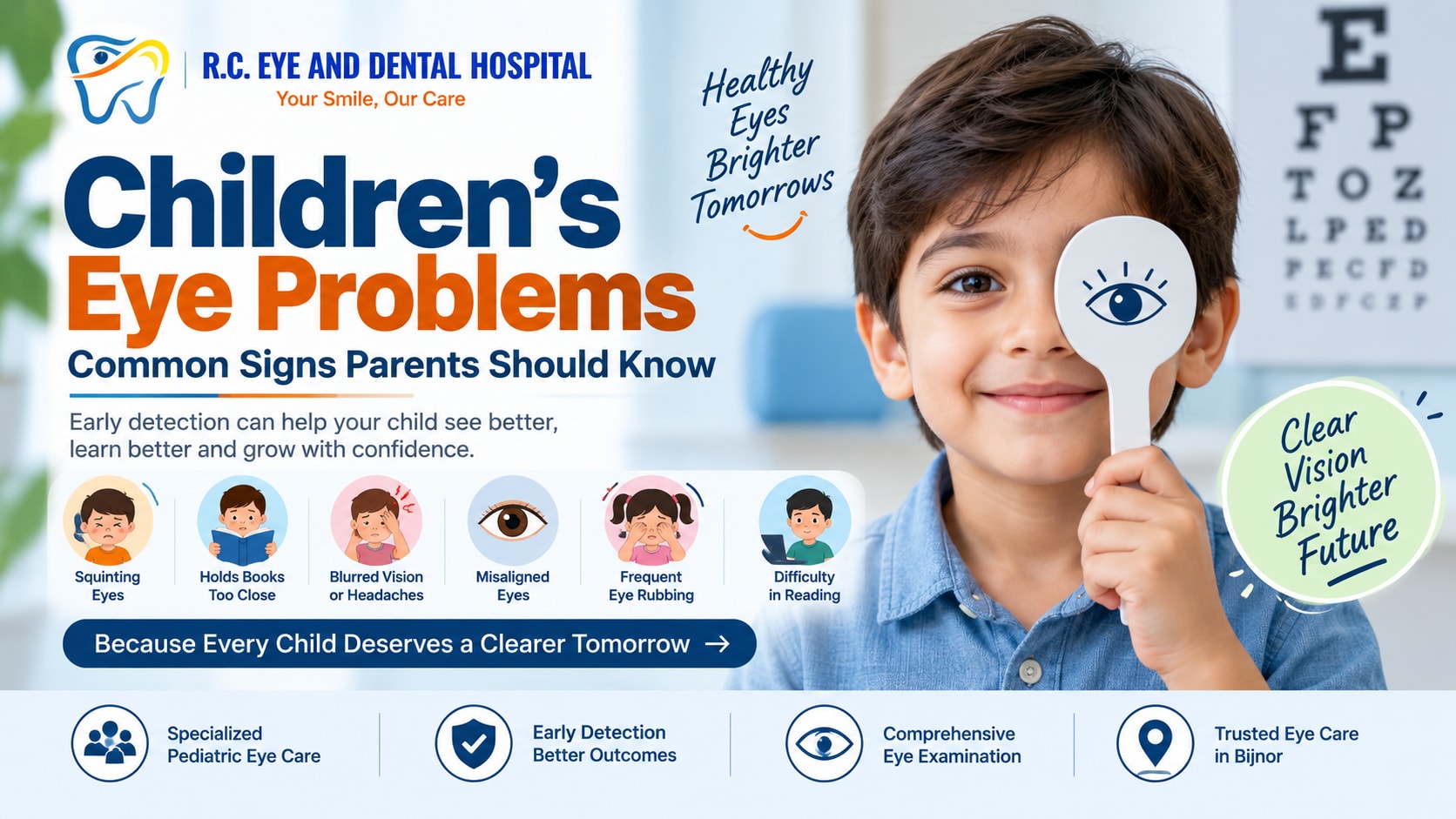
Children’s Eye Problems: Why Parents Should Pay Attention
Good vision is important for a child’s learning, development and daily activities. However, children may not always realize or communicate that they are having difficulty seeing. Some vision problems can also affect only one eye and may go unnoticed.
Recognizing the early signs of Children’s Eye Problems can help parents arrange an eye examination when needed.
Common Signs of Children’s Eye Problems
Parents should pay attention if a child regularly:
1. Squints or Closes One Eye
Frequent squinting, especially while looking at distant objects, may indicate a focusing or vision problem.
2. Holds Books or Screens Too Close
If a child consistently brings books, toys or screens very close to the face, it may be worth checking their vision.
3. Complains of Blurred Vision or Headaches
Blurred vision, headaches or difficulty seeing the classroom board can sometimes be associated with refractive errors or other vision problems.
4. Has Eyes That Do Not Appear Properly Aligned
One eye turning inward, outward, upward or downward can be a sign of strabismus (squint) and should be evaluated by an eye specialist.
5. Frequently Rubs the Eyes
Frequent eye rubbing may occur with tiredness, irritation, allergies or other eye problems. Persistent symptoms should not be ignored.
6. Has Difficulty Reading or Following Objects
A child who regularly loses their place while reading, avoids reading or has difficulty tracking moving objects may benefit from an eye examination.
7. Shows Unusual Eye Appearance
Persistent redness, excessive watering, drooping eyelids, unusual pupil appearance or a cloudy-looking eye should be evaluated promptly. Certain childhood eye conditions can require early assessment.
What Eye Problems Can Affect Children?
Common childhood vision problems may include:
- Refractive errors such as myopia, hyperopia and astigmatism
- Squint or eye misalignment
- Lazy eye (amblyopia)
- Eye allergies and irritation
- Certain congenital or developmental eye conditions
Refractive errors are common in children, and some children may have few obvious symptoms. If significant vision problems are left untreated during visual development, they can contribute to amblyopia.
When Should Parents Consult an Eye Specialist?
An eye examination is particularly important if:
- A child fails a vision screening
- One eye consistently turns or wanders
- The child reports blurred or double vision
- There is persistent eye pain, redness or watering
- The child struggles to see the board or read
- There is a noticeable change in the appearance of the eye
- There is a family history of significant childhood eye problems
Vision screening helps identify children who may need a more detailed eye examination.
Protect Your Child’s Eye Health
Parents can support healthy vision by encouraging outdoor activities, maintaining healthy screen habits, ensuring adequate lighting while reading and arranging appropriate vision screening. Children who have concerning symptoms should be evaluated rather than relying only on home observation.
Children’s Eye Care at R.C. Eye & Dental Hospital, Bijnor
At R.C. Eye & Dental Hospital, Bijnor, children with vision concerns can be evaluated based on their symptoms and age. Early assessment can help identify vision problems and guide appropriate treatment when required.
If you notice any unusual change in your child’s vision or eye appearance, consult an eye specialist for proper evaluation.
:::
Need Expert Consultation?
Our specialists are here to help you with any eye or dental concern.